Bosnia and Herzegovina combines historic towns, clear rivers, high mountains, and quiet villages within manageable driving distances. Renting a car gives you the freedom to plan each stop around your own pace. Sarajevo and Mostar are easy starting points, while national parks and mountain lakes need more planning. Our guide covers major cities, natural sights, hidden gems, route conditions, and useful driving details.
Bosnia’s cultural centres mix Ottoman, Austro-Hungarian, medieval, and Yugoslav history. Many of the best places to visit in Bosnia sit near parking areas and regional roads.

Sarajevo is among the best cities in Bosnia for culture, food, and layered history. Start around Baščaršija, where cobbled lanes lead towards the Gazi Husrev-beg Mosque. The mosque dates from 1530. You can also visit City Hall and the Latin Bridge beside the Miljacka River. Archduke Franz Ferdinand was shot nearby in 1914.
Park outside the busiest central streets, then explore the old quarter on foot. Vrelo Bosne is 10 to 15 minutes away by car. This landscaped park contains the Bosna River spring, ponds, bridges, chestnut trees, swans, and shaded walking paths.
Mostar is famous for Stari Most, its rebuilt 16th-century Ottoman bridge and UNESCO landmark. Walk through the Old Town to see cobbled lanes, stone homes, river views, and local bridge divers. Sarajevo is about two hours away by car, depending on traffic and roadworks.
Blagaj stands a few kilometres outside Mostar. Its 16th-century Dervish monastery sits beside the Buna River spring and steep limestone cliffs. Small boats cross the calm water nearby. Počitelj lies south beside the Neretva River. Its preserved hillside streets include a fortress, a 1563 mosque, Ottoman houses, and a clock tower.
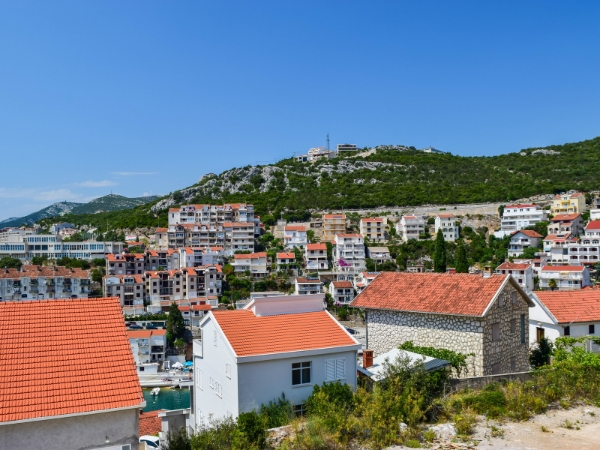
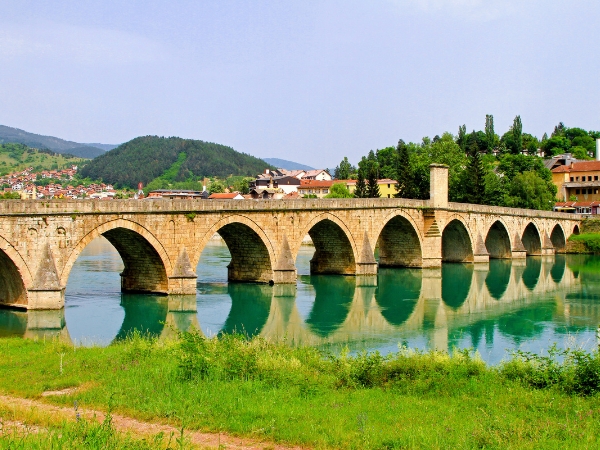
Trebinje lies in the Republika Srpska entity and has a warm southern setting near the Adriatic coast. Explore the old centre, riverside cafés, stone walls, and the rebuilt Arslanagić Bridge. Gračanica Monastery stands on a nearby hill with broad views across the town. Good roads connect Trebinje with Mostar and the nearby border areas.
Konjic contains the Cold War D-0 bunker, built beneath a mountain during the 1950s. Visits usually require advance booking. Bobovac was once the seat of medieval Bosnian kings. Narrow mountain roads lead towards its hilltop fortress ruins, chapel remains, royal chambers, and green valley views.
Waterfalls, lakes, and forests make road trips especially rewarding. These best places to visit in Bosnia, covering easy day trips and longer drives.
Book your Bosnia and Herzegovina car rental with Final Rentals. Choose from small cars, medium cars, SUVs, full-size cars, luxury cars, and vans. Unlimited mileage suits longer drives between Bosnia’s cities, lakes, waterfalls, and mountain areas.

Kravica Waterfalls form a 25-metre cascade across a 120-metre arc on the Trebižat River. Follow the short path from the parking area to the turquoise pool. Swimming is popular during warm months. Picnic areas and a café sit near the falls. Mostar is about 45 minutes away on a smooth regional road.
Jajce has a 22-metre waterfall where the Pliva River meets the Vrbas River. Nearby Pliva Lakes have walking paths and traditional wooden watermills. A hilltop fortress overlooks the rivers. Ramsko Lake stretches about 12 kilometres between mountain peaks. The 1968 reservoir surrounds the Šćit Peninsula, which contains a Franciscan monastery and museum.
Una National Park lies near Bihać in north-west Bosnia. Visit Martin Brod for waterfalls and clear river pools. Štrbački Buk is another major cascade farther downstream. Rafting, kayaking, and forest walks are popular. Sarajevo is around three to four hours away.
Kozara National Park lies in the Republika Srpska entity. The 978-metre mountain has wooded hills, picnic areas, and 300 kilometres of trails. A large wartime monument stands on Mrakovica. Drivers can follow the main park road to Vidikovac for wide forest views.
Sutjeska became Bosnia’s first national park in 1962. It includes Mount Maglić, the country’s highest peak at 2,386 metres. Enter through Tjentište, where trails lead towards lakes, valleys, wartime sites, and the Perućica reserve. Sarajevo is about two to three hours away.
Perućica is one of Europe’s last ancient forests. Some fir and beech trees are around 500 years old. Access may be controlled, so check local entry rules. Across Bosnia, the Dinaric Alps create winding passes, steep cliffs, deep valleys, and high mountain viewpoints.
Remote lakes and villages need careful planning. These best places to visit in Bosnia may involve gravel, steep slopes, or slower travel.

Lukomir is Bosnia’s highest village at 1,496 metres. Drive towards Umoljani, then check road conditions before using the final 11-kilometre gravel section. Some rental agreements may restrict unpaved roads. Many visitors walk the last three to four kilometres or join a local off-road trip.
The village has stone houses, a small mosque, shepherding traditions, and views across Rakitnica Canyon. Prokoško Lake sits at 1,636 metres on Mount Vranica. The last 4 to 5 kilometres from Fojnica are unpaved. The lake has wooden huts, icy summer water, and rare alpine newts.
Vjetrenica Cave lies near Ravno and extends for more than 7 kilometres. Join an official guided visit to see halls, narrow passages, underground water, and rare cave life. Bring a jacket because the cave stays cool and breezy. The road towards Zavala includes steep sections.
The Drina River Canyon runs along Bosnia’s eastern border. Drina National Park opened in 2017. Viewpoints near Perućac Lake reveal deep forested slopes and water almost 1,000 metres below. Drivers can reach the area through Višegrad on the M-19. Boat trips and rafting offer another view.
Bosnia has more than 8,000 kilometres of roads. Corridor Vc connects northern and southern areas through Zenica, Sarajevo, and Mostar. Use main roads when possible, but expect tunnels, bends, narrow passes, and slower mountain sections. Some motorway sections have a 130 kph limit.
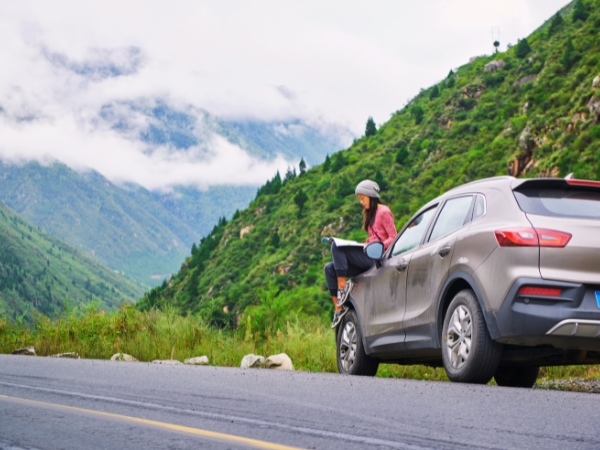
The most scenic drives in Bosnia pass through river valleys, alpine areas, and quiet rural districts. Fill the tank before remote trips. Save offline directions and check whether gravel roads are allowed. Cross-border travel needs approval and extra charges. Ferry travel is not allowed.
Bosnia is best explored by balancing famous landmarks with quieter places beyond the main routes. Leave enough time for mountain roads, short walks, and unexpected stops near rivers, lakes, and historic towns.
Rent a car in Bosnia and Herzegovina with Final Rentals to get unlimited mileage and included insurance cover. Collision Damage Waiver, Theft Waiver, and Third Party Liability Insurance are included in the rental amount. Book and manage your car rental at any time. Download the Final Rentals app on Google Play and the App Store.
Bosnia’s top attractions include Mostar, with its iconic Old Bridge, and Sarajevo, the historic capital. Other highlights include Kravica Waterfalls, Jajce, Una National Park, Trebinje, Lukomir village, and Vrelo Bosne. Each destination combines culture or natural beauty, making them truly memorable stops during a road trip through Bosnia and Herzegovina.
Yes. Bosnia’s main roads and highways are generally in good condition, and renting a car is straightforward. Driving gives you freedom to reach small villages and scenic places. You may encounter unpaved mountain roads in some remote areas, where a sturdy car helps. By following speed limits and road signs, self-driving in Bosnia is convenient and rewarding.
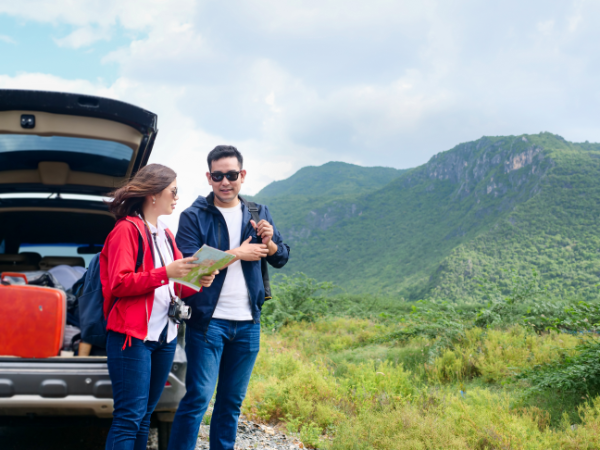
Renting a car lets you explore the best places to visit in Bosnia at your own pace. Public transport is limited outside large cities, so a car helps you reach rural sites, national parks, and mountain routes. It also lets you cover long distances without relying on buses or tours. The independence of a self-drive trip makes the journey more enjoyable.