Bosnia and Herzegovina is renowned for its stunning natural beauty, featuring rugged mountains and deep valleys. However, this landscape poses significant challenges for drivers during the winter months, from November to April. The road network, often involving steep ascents and descents, is vulnerable to heavy snowfall, ice, and fog. Thus, driving in Bosnia and Herzegovina during winter requires thorough preparation, adherence to local regulations, and heightened caution.
Proactive preparation is essential as winter conditions dictate travel in Bosnia and Herzegovina. Vehicle readiness, including mandatory equipment, is crucial for safety and compliance. Understanding potential hazards and having an emergency plan are vital. This guide outlines the necessary steps for navigating the country's winter roads safely, allowing you to focus on the journey and breathtaking views rather than unexpected dangers.
Compliance with Bosnia and Herzegovina’s winter driving regulations is compulsory and rigorously enforced by local police, making the correct preparation of your vehicle the first and most vital step. These rules are in place to ensure the safety of all road users, given the severity of the typical winter conditions.
The country imposes a winter equipment period, during which the use or possession of prescribed gear is mandatory, regardless of the current weather conditions. While specific regional variations exist, this period generally runs from 15 November to 15 April. Motorists found driving without the required equipment during this time face immediate financial penalties and may be prevented from continuing their journey until their vehicle complies, which can lead to significant and costly delays.
The government requires specific winter gear that must be fitted or carried. First, all vehicles must be equipped with dedicated winter tyres marked with M+S (Mud and Snow) or M&S designations. These tyres must have a minimum tread depth of 4 mm. This depth is critical as it ensures adequate grip on snow and slush, providing a crucial margin of safety.
Next, snow chains must be carried in the vehicle at all times. These chains are not just for emergency use; their use becomes mandatory when signalled by roadside signs or when the snow accumulation on the road surface exceeds five centimetres. Drivers should familiarise themselves with how to correctly and quickly fit the chains before setting out on their journey, as this is often required in cold, challenging conditions.
Beyond the required winter gear, there are safety equipment items that must be carried year-round, which become even more critical in winter. These include a comprehensive first-aid kit, a reflective waistcoat or vest for each occupant, two warning triangles, a spare set of lamps (bulbs), a tow rope, and a spare wheel or tyre. The reflective waistcoat is particularly important in winter, as roadside breakdowns require visibility in low light, poor weather, and heavy traffic conditions.
In addition to the gears and equipment, there are other things to prepare and steps to take. You must ensure that your vehicle’s windscreen wipers are fully functional and that they carry sufficient de-icing fluid. Antifreeze levels in the engine cooling system should be checked and topped up to prevent serious engine damage. Crucially, before setting off, all snow and ice must be cleared from the entire vehicle, including the roof, bonnet, and all lights, as failing to do so constitutes a road hazard and is illegal. These meticulous steps ensure the vehicle is prepared for the worst the Bosnian winter can offer.
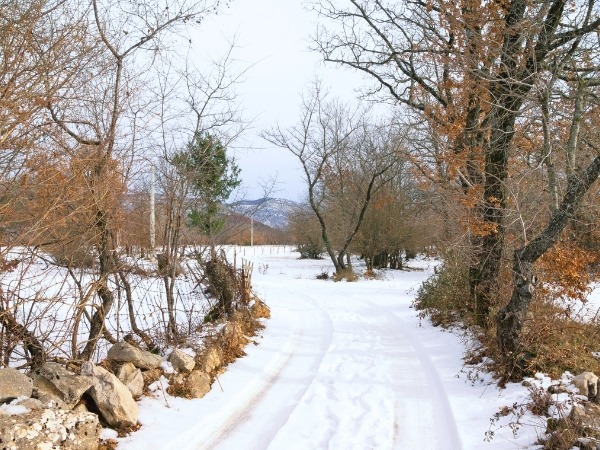
The varied geography of Bosnia and Herzegovina means drivers will encounter a spectrum of severe weather and surface conditions that require unique handling. The mountainous and rural roads are where the greatest hazards lie. These routes often involve sharp turns, steep gradients and are frequently affected by prolonged periods of heavy snow, making them difficult to traverse.
The primary hazards include compacted snow and ice, with the latter often manifesting as black ice in shaded areas, high-altitude passes such as Romanija or Ivan-sedlo, and on bridges or overpasses. Black ice is nearly invisible and poses an extreme risk of loss of control. Furthermore, many rural and secondary roads can be poorly maintained, with limited or no street lighting, compounding the difficulty of night driving or navigation during periods of heavy fog, which often blankets river valleys and plateaus.
When driving in rural or isolated areas, it is crucial to adhere to the landmine warning. Due to the lasting legacy of the 1990s conflict, unexploded ordnance (UXO) remains a danger in certain areas, often marked with distinctive red warning signs. Drivers must strictly stay on main roads and paved surfaces and should under no circumstances venture off-road, whether to turn around, park, or investigate a breakdown. This is a critical safety measure that applies year-round but is easily forgotten in the disorientation of heavy snowfall. Travel in these areas should ideally be limited to daylight hours.
To manage the snowy and icy surfaces, drivers must employ specific driving techniques. The main rule is to maintain a significantly slower speed than usual and to adopt a smooth, deliberate driving method. Next, you must triple your safety distance from the vehicle ahead, as stopping distances on ice are dramatically increased. Sudden movements, including abrupt braking, rapid acceleration, or sharp changes in direction, must be avoided at all costs, as these actions are the most common cause of skidding.
When braking, apply gentle pressure gradually, and if the vehicle begins to slide, steer into the direction of the skid while maintaining a calm demeanour. When encountering opposing traffic on narrow mountain roads, vehicles travelling uphill often have the right of way, as stopping and restarting on a slippery incline is far more challenging than doing so on the level or descent.
Effective navigation strategies are important, given that heavy snow and fog can obscure road signs and the mountainous terrain can lead to gaps in mobile coverage. Drivers should not rely solely on mobile data. It is strongly recommended to use offline map applications, which do not require a constant data connection to function. A physical map or a printed route as a backup is also a wise precaution.
Furthermore, before setting out, drivers should consult up-to-date road reports, often available through the BIHAMK website, which provides real-time information on road closures, required chain usage, and weather warnings. Always plan for the possibility of detours and delays caused by heavy snow or road-clearing operations.
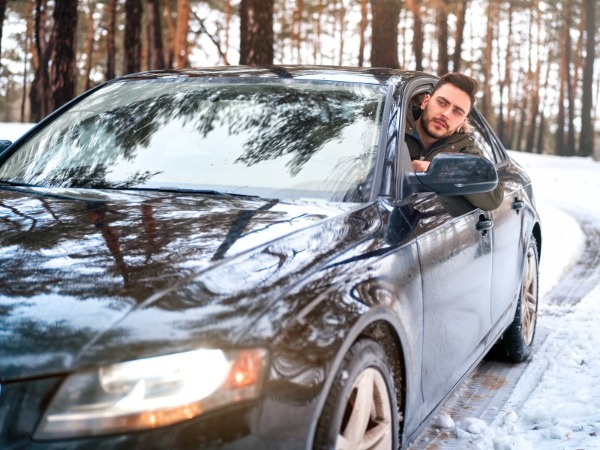
In the event of an incident or emergency on the winter roads of Bosnia and Herzegovina, swift and informed action is critical. You should know the correct emergency numbers. The primary universal emergency number in the country is 112, which connects you to all general emergency services. For immediate police assistance, dial 122. For vehicle-specific emergencies, the national automobile club, BIHAMK, operates a reliable roadside assistance service reachable on 1282. It is advisable to save these numbers in your mobile phone before starting your journey. For car rentals, it is also important to contact the agency.
Understanding the procedure for handling breakdowns and accidents is a key component of winter safety. If your vehicle breaks down or is involved in an accident, your immediate priority is safety. If at all possible, safely move the vehicle out of the flow of traffic, then immediately turn on your hazard lights.
Before you leave the security of the vehicle, you must don the reflective waistcoat or vest. This step is non-negotiable and drastically improves your visibility to other motorists, a critical factor in poor weather. Once safely outside, place the warning triangle at a safe and appropriate distance behind your vehicle to warn oncoming traffic.
For any accidents, especially those involving injury or significant property damage, contact the police immediately. Even for minor incidents, an official police report may be required for insurance claims, and waiting for the police on the side of a snowy mountain road may be necessary. Again, for car rentals, the agency must also be contacted.
Driving the winter roads of Bosnia and Herzegovina is an experience that demands respect but rewards the traveller with unforgettable beauty. The key to a successful journey lies in heeding the warnings and strictly adhering to the necessary safety protocols.
The need for proper equipment is not merely a formality; it is a necessity for survival. Maintaining a cautious, steady driving technique and knowing the correct procedures for emergencies, including the critical safety numbers, will keep you out of harm's way. By taking these steps, you safeguard your journey and allow yourself to truly appreciate the scenic rewards. The towering Dinaric Alps, the frozen clarity of the rivers, and the quiet beauty of the snow-laden towns create an atmosphere unlike any other.
Don't let the fear of winter conditions deter you from experiencing the freedom of independent travel in this incredible country. Book your car on Final Rentals now to explore Bosnia and Herzegovina safely and on your own schedule, unlocking a truly memorable Balkan winter adventure.