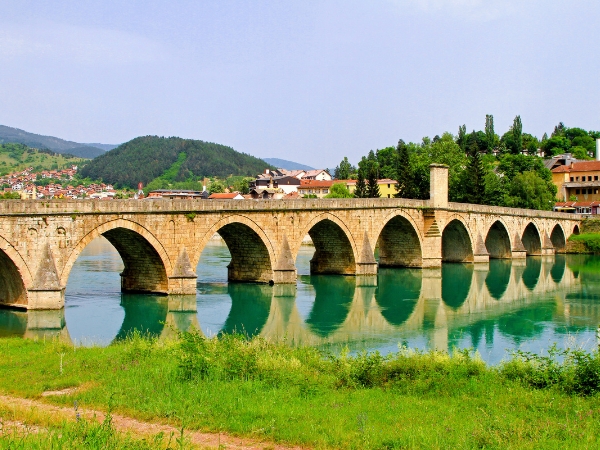
The allure of Bosnia and Herzegovina lies in its untamed beauty and the profound layers of history that permeate every valley and mountain pass. While many tourists remain confined to the urban centres of Sarajevo and Mostar, the true essence of this Balkan nation is found in the emerald rivers, Ottoman-era stone bridges, and mist-shrouded peaks that are only accessible by road.
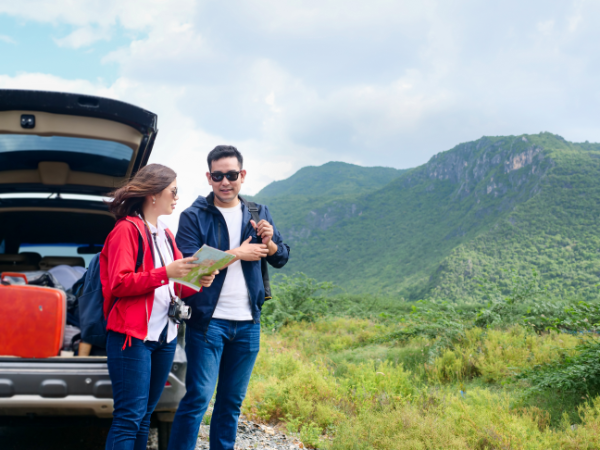
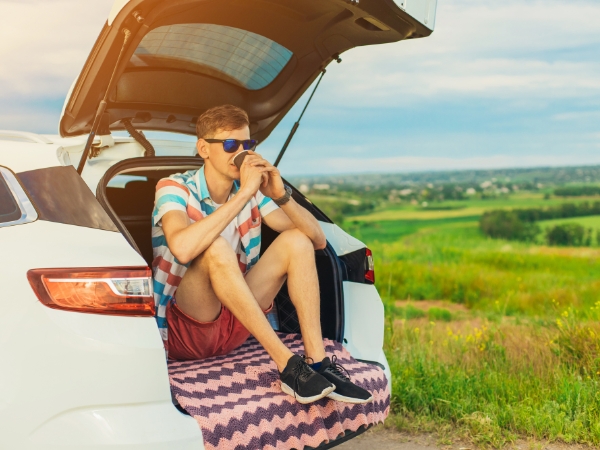
A road trip offers the ultimate freedom to explore at your own pace, yet driving in this region presents a unique set of challenges that require careful preparation and a keen awareness of local regulations. By understanding the specific nuances of the road, you can transform a potentially stressful commute into a seamless and unforgettable adventure through some of the most dramatic landscapes in Europe.
Before starting your vehicle, make sure to prepare all required documents, as the traffic police in Bosnia and Herzegovina are strict about paperwork. Foreign drivers must carry a valid national driving license and passport, while an International Driving Permit, obtained before departure, is recommended for routine checks or rental agreements.
If you are renting a car, confirm that the rental company provides the original vehicle registration documents and not just photocopies. Also, ensure you have the insurance Green Card (Zeleni Karton), which proves that you have third-party coverage for Bosnia and Herzegovina. If you plan to travel to Croatia or Montenegro, check that the Green Card covers those areas as well. Keeping these documents organised in a folder in your glove compartment will help you avoid issues during roadside inspections.
Every country has its own unspoken road rules, and Bosnia and Herzegovina is no exception. One helpful gesture is the flashing of headlights by oncoming drivers, which typically serves as a friendly warning for police speed traps or mobile checkpoints ahead. If someone flashes their lights at you, check your speed and ensure your headlights are on. This tradition fosters solidarity among drivers, and you may find yourself doing the same as you adapt to local customs.
In cities, there is strict adherence to pedestrian rights at marked crossings; drivers must come to a complete stop if a pedestrian appears ready to cross. This is enforced by law and social custom, and failing to stop can result in aggressive honking or fines. Keep in mind that on open roads, these indicators may have different meanings; for example, a truck driver might use their right indicator to signal that it’s safe for you to overtake.
While Bosnia and Herzegovina has a modern banking infrastructure, it remains largely a cash-based society outside major cities. Ensure you carry a reasonable amount of local currency, Bosnian Convertible Mark (BAM), in various denominations to ensure a smoother journey without the need to find an ATM in remote areas.
If you plan to use the A1 motorway from Sarajevo to the south, be prepared for toll booths. Though many accept cards, having cash on hand is much quicker and more reliable. Large petrol stations on main highways typically accept international credit cards, but smaller rural stations, roadside restaurants, and parking lots often only take cash.
Traffic enforcement is a major priority for local police, with speed traps commonly seen across the country. Speed limits are generally 80 kilometres per hour on open roads and 50 kilometres per hour in inhabited areas, but they can change abruptly in small villages. Police often use hand-held radar guns to catch unsuspecting drivers just after the limit drops.
In recent years, fixed speed cameras have been installed, particularly around Sarajevo. If pulled over for speeding, remain polite and cooperative. You will most likely receive a ticket to be paid at a local bank or post office, though some officers may allow reduced fines on the spot. Avoid offering informal payments, as this can lead to serious legal issues.
One common mistake made by international tourists in Bosnia and Herzegovina is neglecting the mandatory headlight rule. It is a legal requirement to have dipped headlights or low beams switched on at all times, regardless of sunlight or weather conditions. This law aims to enhance visibility on winding mountain roads where light can change abruptly in tunnels or dense forests.
Although many modern rental cars have automatic light settings, it’s safer to manually turn on your low beams as soon as the engine starts. Relying solely on automatic sensors, which may only activate in darker conditions, could lead to non-compliance with the law. Police are vigilant about this rule, and failing to adhere can result in on-the-spot fines for tourists.
The rules regarding alcohol and driving in Bosnia and Herzegovina is very strict, with a blood alcohol limit of just 0.03 per cent—much lower than the 0.08 per cent limit in the U.S. and some parts of the U.K. This means that even a small drink could put you over the limit, so it's advisable to avoid alcohol entirely if you're planning to drive.
For certain drivers, such as those under 21 or with less than three years of driving experience, the limit drops to zero. Additionally, it is illegal for visibly intoxicated passengers to sit in the front seat, as this aims to prevent distractions for the driver. To avoid legal issues, it's best to ensure that everyone remains sober or that anyone who has been drinking sits in the back.
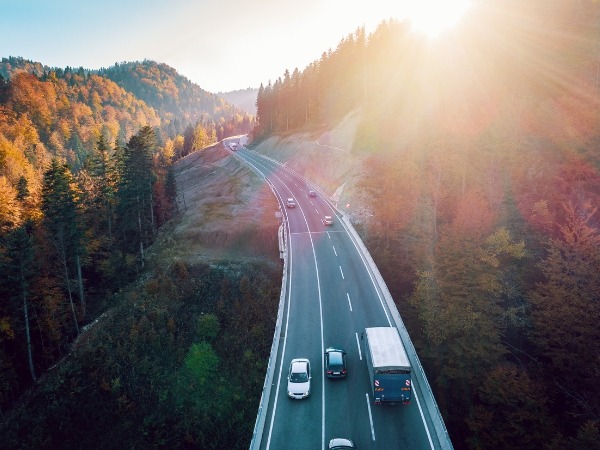
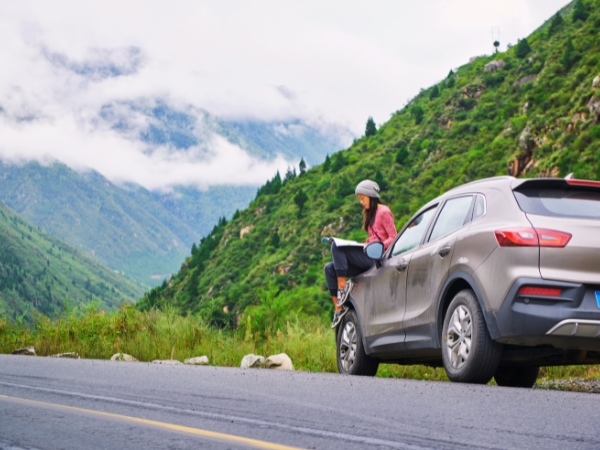
The geography of Bosnia and Herzegovina is dominated by the Dinaric Alps, which means journeys outside the main river valleys involve significant elevation changes. Driving requires a different approach than cruising on flat roads, as many secondary routes are narrow and winding, lacking modern guardrails. Due to the challenging terrain, a journey of 60 kilometres might take two hours because of frequent bends and steep inclines.
When navigating these narrow passes, it's crucial to follow right-of-way etiquette, with uphill vehicles having priority over those descending. If the road is too narrow for two vehicles to pass, look for wider sections or lay-bys to pull into. Patience is key on Bosnian roads; it's better to arrive late than take unnecessary risks on blind corners.
The legacy of the 1990s conflict in Bosnia and Herzegovina still lingers in certain rural areas due to landmines. Major roads, tourist sites, and urban centres are entirely safe and have been cleared, but caution is necessary in remote mountainous regions or along former front lines. Always stick to paved surfaces, and if you need to pull over, use designated asphalt parking areas or well-used gravel lay-bys.
Avoid driving onto grassy verges or into the woods in isolated areas. Minefields are marked with clear signs featuring a red square and a white skull and crossbones, although some markers may be obscured by vegetation. If you see such a sign or yellow tape, do not enter the area. By adhering to established road networks and marked hiking trails, you can safely enjoy the country’s stunning wilderness.
For a safe and enjoyable experience in Bosnia, it's best to plan your travel itinerary to arrive before sunset. Outside main urban areas, street lighting is scarce, and the hazards of the road network increase significantly after dark. Faded or missing road markings on secondary routes can make it hard to navigate, and you may encounter unlit cyclists, pedestrians, or livestock on the roads.
Night driving comes with additional risks, such as unmarked roadworks that are hard to see. Local drivers are familiar with the routes and may drive at speeds that can feel uncomfortable for visitors. If you must drive at night, slow down and prepare for oncoming traffic using high beams. To fully enjoy the stunning views of the Neretva River or the Una Valley, it's best to travel these roads during daylight.
The winter season in Bosnia and Herzegovina can be beautiful but harsh, with heavy snowfall often extending into spring. To ensure road safety, the government requires specific winter equipment from November 15 to April 15, regardless of weather conditions. Vehicles must have winter tyres with a minimum tread depth of four millimetres and marked with the M+S symbol.
Additionally, all drivers must carry a set of snow chains in their trunk. Even if blizzard conditions are not anticipated, police may check for compliance. If you're renting a car during winter, ensure it meets these regulations. Not having the correct equipment can lead to fines and potentially leave you stranded in an alpine storm.
Driving through Bosnia and Herzegovina is far more than a simple means of transport; it is an invitation to witness one of Europe’s last truly raw and beautiful frontiers. From the turquoise depths of the Drina River to the ancient stone alleys of Mostar, the freedom of a car allows you to weave your own narrative through a land where East meets West.
While the mountain passes require focus and the local regulations demand respect, the rewards are immense. You will find yourself stopping at roadside stands for fresh honey and grilled lamb, discovering waterfalls hidden deep in the forest, and standing atop peaks that offer views stretching across the entire Balkan peninsula.
Ready to explore the heart of the Balkans at your own pace? There is no better time to turn your travel dreams into a reality. The stunning landscapes of Bosnia and Herzegovina are waiting to be discovered, and the best way to see them is from behind the wheel of your own vehicle. Rent a car from Final Rentals today and begin an extraordinary journey across a country that will capture your heart and stay in your memory long after the road ends.